9 Women We’re Honoring for Women’s History Month
By Gia Han Nguyen
Women’s rights and choices are currently at risk, and we at &Rise understand the rising fear of losing one’s bodily autonomy and personal choices just to survive and thrive worldwide. Whether that includes the overturn of Roe vs. Wade, ICE kidnapping women and girls, or femicides happening around the world, we know and see the struggles of women. Our support groups discuss these matters, and we ensure that we are never alone in fearing for our lives and futures.
For this Women’s History Month, we want to emphasize that many women like us have struggled and fought for marginalized groups in times where voices of women were discouraged. Together, from the past to present, our lives mean power. Even though we have, currently, and will continue to celebrate every woman every day at any time, Women’s History Month allows us to reflect the past and honor women that came before us and created history despite the multitudes of obstacles. By knowing our past, we learn from their actions and continue their fight to empower all women.
Here are 9 women from the past to present who are fighting for us and creating history:
Frida Kahlo
Famous for her surrealist artworks of self-portraits and nature within Mexico, Kahlo was a painter who frequently focused on her life experiences and self-perception at the time of each painting. She and her works were recognized within the feminism movement, Chicanos, and the LGBTQIA+ community. Many of her self-portraits challenged gender norms by including facial hair between her eyebrows and top of her lips and representing her Mexican culture by wearing Tehuana dresses, giving her trademark look of bold brows and bright traditional dresses.
Mamie Phipps Clark
She, along with her husband Kenneth Clark, was a social psychologist who conducted doll experiments for her Master’s thesis with African American girls and boys in segregated schools to see how prejudice, discrimination, and segregation negatively affected their self-esteem and outlook on life towards themselves and Black and White peers. Her research helped significantly with the 1954 case of Brown v. Board of Education, ruling the doctrine of "separate but equal” as unconstitutional.
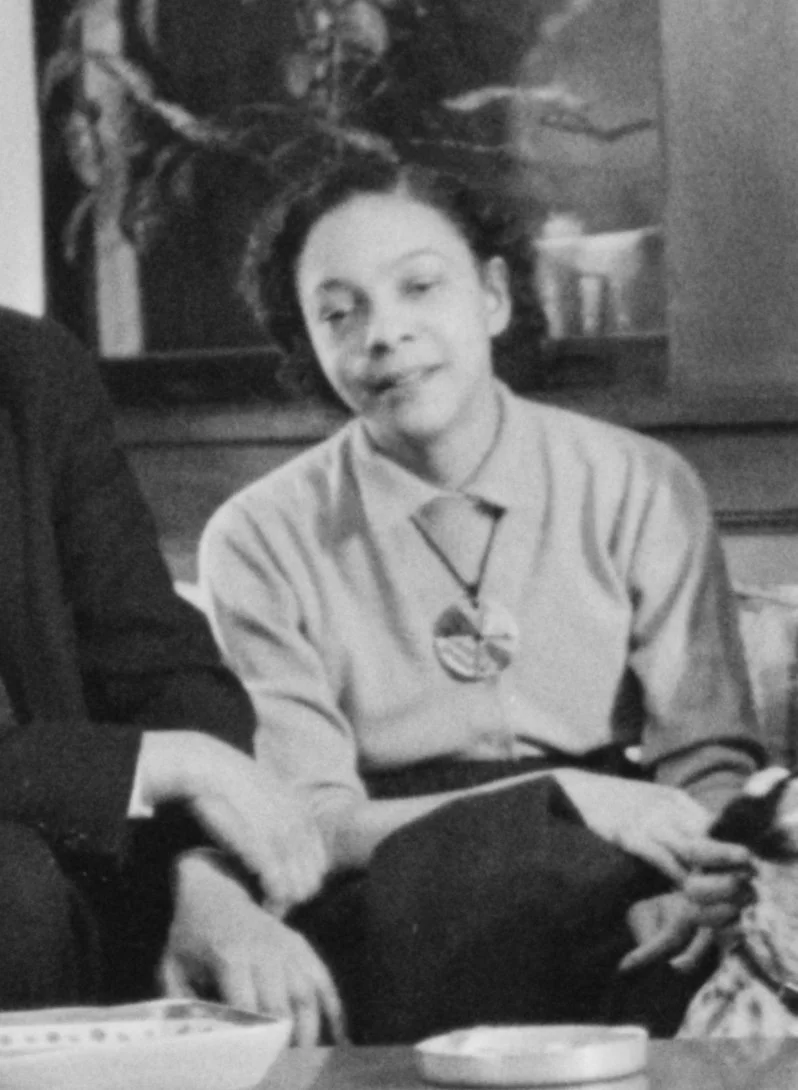
Henrietta Lacks
Lacks was known for her life-saving HeLa cells that significantly contributed to biomedical research from the past to present. Her cancerous cells were considered “immortal” because they kept multiplying and could be kept alive for a long time in labs. However, her cells were taken nonconsensually from doctors of John Hopkins University as well as personal family medical records were published without consent. With the help of Rebecca Skloot’s investigation and publishing of The Immortal Life of Henrietta Lacks (2010), discussions and advocacy of patients’ rights and privacy in healthcare became much more important.
Marsha P. Johnson
With the P in her name standing for “Pay it no mind” as her motto, Johnson was an influential transgender woman activist for LGBTQIA+ rights. Her initial involvement began with Stonewall protests then continued with different organizations that supported LGBTQIA+ people and rights like Street Transvestite Action Revolutionaries (STAR), an organization she co-created that helps LGBTQIA+ youth shunned by their families. Not only did she advocate for the freedom and liberation of LGBTQIA+ people, but she also supported and fought for homeless people, drag queens, and people with mental illnesses with a constant smile on her face.
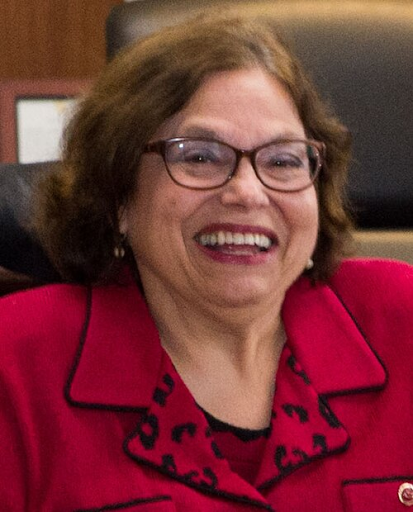
Judith Heumann
Nicknamed as ‘Mother of the Disability Rights Movement’, Heumann advocated not only for herself, but also for disabled people having better accessibility and accommodations ranging from education to the workforce her whole life. Her work included suing the Board of Education for not allowing her to be a teacher because of her disability, working in governmental positions that gave her power to implement services and inclusion of disabled people, and protesting for change like including Section 504 that became a model for ADA, a law that does not allow people to discriminate against disabled people.
Gisèle Pelicot
Considered as a feminist icon in 2024, Pelicot made her rape trial against her husband public and known instead of having a private trial. She survived being drugged and raped by her husband and at least 83 men that her husband invited to rape for approximately a decade, which led her to have memory loss and gynelogical issues. In an interview with the BBC, she hopes that making her trial public will help victims of sexual assault and rape have strength to do the same as her and get justice.
Shirin Neshat
Shirin Neshat is an Iranian visual artist who uses photography and film to capture women’s experiences in Islam-dominant societies like Iran. One of her series, Women of Allah, focuses on the female gaze as a form of communication towards the viewer while holding weapons, highlighting the quiet role of women as soldiers during the Iranian Islamic Revolution. Her works explore and share the complexities and oppression of womanhood in Iran in terms of politics and human rights: “My country has undermined basic human rights…my art – regardless of its nature – is an expression of protest, a cry for humanity.”
Lupita Nyong’o
Nyong’o is a famous actress for having leading roles in movies like Us, A Quiet Place: Day One, Black Panther series, and voice role for The Wild Robot. Besides starring in many famous movies, her activism focuses on conservation efforts and women's issues internationally like Ugandan mother’s healthcare. In recent times, she has been public with having uterine fibroids and having some removed. Because of this, she partnered with the Foundation for Women’s Health to create a grant for medical researchers focusing on fibroids and advocated for better healthcare and for women affected by fibroids like her.
Nemonte Nenquimo
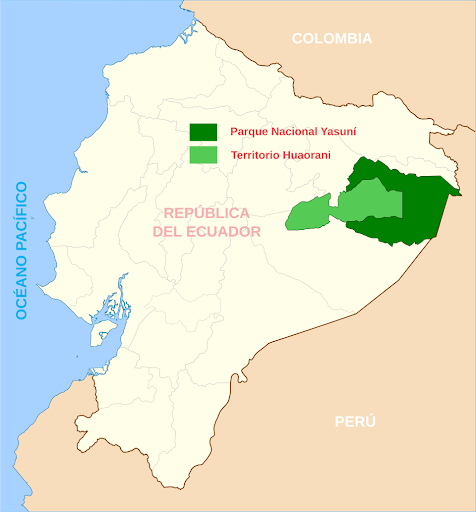
As an activist for indigenous rights in Ecuador and against climate change, she represented the Waorani tribe and sued the Ecuadorian government for selling indigenous land to oil companies without permission from indigenous nations. In her memoir, We Will Be Jaguars (2024), she tells the story of her nation being colonized by Christian missionaries and how she was subjected to religious trauma and abuse. She came back home after initially leaving with missionaries to fight against oil companies and the government by protesting and eventually, filing a lawsuit that gave her nation land protections.
(Credit: https://commons.wikimedia.org/w/index.php?curid=26084721)
Connect with powerful women here with us
The women here have provided tremendous effort in advocating for marginalized groups that matter to them the most, whether that includes women within indigenous nations, women with other identities like being disabled or in the LGBTQIA+ community, or women in international countries. However, the fight for equal rights and treatment will never stop. Not only do we want to shine a light on women who are doing a lot of activism for women and creating history, but we also want to emphasize that every woman, regardless of fame or fortune, is doing amazing in supporting each other.
We at &Rise see this every day, whether we see it in our support groups, workshops, or social events. We see the power in numbers, so we hope you get involved with us to provide support by donations or buying merch. You can also receive support with us. You, like any other woman, are always welcome here to our group full of empowering women. Join our community and subscribe to our newsletter for weekly empowerment, news about our different support groups, and our upcoming events.
