
ICE in Chicago: Safety and Mental Health Check-in
By Gia Han Nguyen
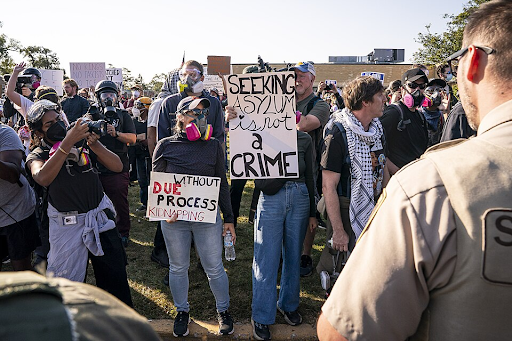
After Operation Midway Blitz happened in Chicago last year, many people assumed that agents coming from departments like ICE and Border Patrol have left and Chicago is now at peace. Even though many Border Patrol agents have left Chicago, ICE remains in Chicago after the operation. Because ICE is increasing their efforts in arresting people in the summer, this can make people feel worried, scared, and isolated. Despite this, many organizations like &Rise are offering more mental health support to ensure people are not alone and help each other.
Where is ICE?
The new Homeland Security Secretary, Mark Wayne Mullin, has told people that he plans to“…take a different approach that can be more effective and less public-facing,” making ICE harder to track and find for organizations to come out. However, many Rapid Response teams throughout Chicago are still trying to continue tracking where ICE is and helping community members during times of crisis. ICE is still within Chicagoland, including areas like:
North Chicago: Belmont Cragin, Humboldt Park, Albany Park, Logan Square, Austin
South Chicago: Brighton Park, Back of the Yards, North Lawndale, Englewood
Chicago suburbs: Joliet, Wheeling, St. Charles, Prospect Heights, Melrose Park
From January 2025 to March 2026, the Legal Defense Fund recorded that ICE made over 400,000 arrests, with approximately 7,492 arrests coming from ICE in Chicago. Because summer is here and more people are out enjoying summer activities and spending time with family and friends, ICE and the Trump administration increased their number of arrests to 10,000 within five days, starting on June 30th, 2026 with 2,000 arrests per day. Besides the geographical areas they are targeting people at, they are targeting specific places within neighborhoods like:
Courthouses
Areas where street vendors might be
Commercial and retail parking lots
Hardware stores
Transit areas
Despite the fear of ICE in Chicago being better at arresting people within minutes, many community groups are banding together again to combat ICE with similar tactics from last year to help detained people and their families.
How to be safe from ICE in Chicago
There are several ways you and your loved ones can be safe from ICE while trying to have fun this summer. Some methods include:
Know where they are: follow organizations and alerts that are actively tracking ICE and their whereabouts. Even though no one can fully track where ICE are, having alerts is really helpful in knowing places to avoid and go. The pages listed below are for Chicagoland, but local organizations have specialized pages for each region.
Facebook: Organización Hijos de Migrantes
Instagram: @northwestsiderrt, @farnwsiderr, @southwestrapidresponse, @chicagofarsouthrapidresponse
Nationwide websites: https://www.iceinmyarea.org/, https://iceout.org/en/
Know your rights: ICE and many government officials take advantage of the fact that the public does not know immigration laws in the U.S. well. Knowing what your rights as a person and as a witness are important to not only help you and your loved ones, but also to help everyone involved. Look at ICIRR’s Know Your Rights sheet here and also do:
Organize and make both physical and digital copies of important documents and secure them in a safe, accessible place with a person you trust
Make emergency plans for childcare, pet care, and have a power of attorney for financial and property matters
Regardless of immigration status, you have the right to remain silent to not expose your status and ask for legal counsel by saying “I want to speak to an attorney” during times of crisis
ICE cannot enter homes without a valid warrant signed by a judge: The warrant needs to have a specific person’s name, address, and a judge’s signature
Know who to contact: Not only is knowing family and friends’ contact information and whereabouts important to keep each other safe from ICE in Chicago, but also knowing contact information about nonprofits that can provide legal assistance is needed during times of crisis. Consider having these organizations in your contact list:
Illinois Coalition for Immigrant & Refugee Rights: (855) 435-7693
Executive Office for Immigration Review: (800) 898-7180 [used for court dates]
National Immigrant Justice Center: (312) 660-1370
Immigration Advocate Network: has more contacts for organizations, but no phone number
How ICE in Chicago affects people’s mental health
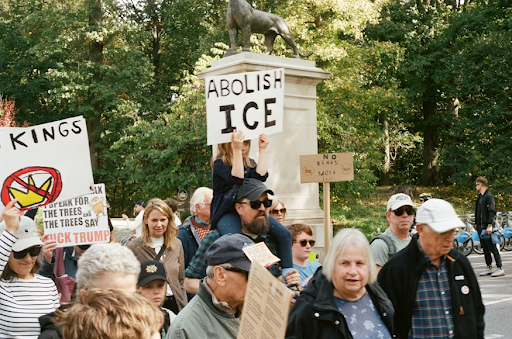
ICE in Chicago has negatively affected many people and communities, either causing fear because of the possibility of being deported or the stresses of being detained. People report their feelings to be:
Scared/fearful - violence from ICE agents, stigma of being arrested, livelihoods being taken away, inhumane treatment in detention centers
Confused - families cannot track their loved ones, people being deported not knowing how to rebuild their lives
Angry - structural barriers that make the pathway to citizenship difficult, racism and interpersonal discrimination conducted by ICE agents
According to Physicians for Human Rights, they recorded 18 known deaths within ICE detention centers, with five people dead by suicide (as of May 1, 2026). Not only are people traumatized from ICE agents violently arresting and murdering people in public, but also people in detention centers are isolated from their loved ones and their community while living in inhumane conditions without basic necessities. Because of this sudden isolation and cruel treatment from ICE officers in detention centers, suicidal behavior increases and their psychological states deteriorate.
Outside of detention centers, people are more afraid to go outside and continue their routines like going to work or school. Healthcare workers noticed a spike in depression, anxiety, and suicidal thoughts within immigrant communities, especially in immigrant communities of color. Many people are afraid and live in constant fear that they or their loved ones might be subject to ICE agents’ violent acts of assault or murder.
Staying informed with &Rise
As a Latina-led nonprofit organization with staff of color, we at &Rise are always keeping track of ICE in Chicago to ensure everyone we work with are physically and mentally safe. To emphasize safety within our spaces, consider joining our support groups as dedicated safe spaces to share your fears and trauma.
Because ICE presence and violence can cause trauma, we recommend our free counseling with a trauma-informed counselor. We do not ask about immigration status.
Find community with us virtually by subscribing to our newsletter and look out for resources, events, and workshops that can be attended at home. You are not alone, get support with us.
