
Safe Spaces: What They Are and How To Keep Them Safe
By Gia Han Nguyen
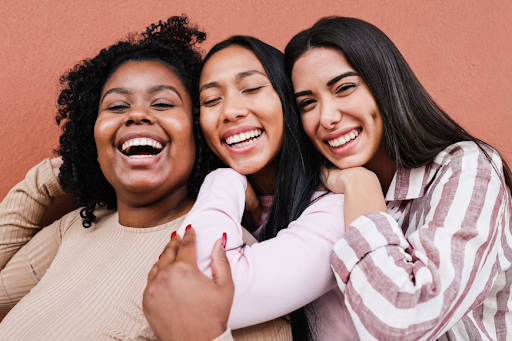
We at &Rise are proud to say that all of our services are considered safe spaces for all women and girls to access freely and share their experiences. However, what does a safe space look like? What exactly is a safe space, and why is it important for nonprofits, like &Rise, that give free mental health services to have safe spaces? Because of how needed safe spaces are for survivors of trauma, abuse, and domestic violence, our Survivor Advisory Committee, and board of directors ensure that our spaces are safe for every woman and girl within our &Rise community and beyond.
What is a safe space?
The term “safe space” began in the LGBTQIA+ community, referring to gay and lesbian bars in the mid-1960s as being spaces where people in LGBTQIA+ communities can be themselves and show love and care for their lovers without being judged or shamed. Even though safe spaces have always been around everywhere for every person, the LGBTIQIA+ community coined the term “safe space” to recognize that almost everywhere around them was unsafe for them due to homophobia and transphobia, while gay and lesbian bars were not. The meaning of safe space has expanded greatly, and spaces are also intentionally made to be safe for marginalized groups like women and people of color who aren’t well-represented or well-respected by society. Safe spaces look differently for everyone, but they are meant to be spaces for a person to feel like themselves without being judged or threatened.
Safe spaces do not have to be physical areas, but they always can be for people that need it the most like libraries, shelters, or your most comfortable space (i.e. bedroom, car, home)! Besides being physical areas, safe spaces also can be:
Support groups meeting in-person or online
A trusted person (i.e. family member, friend, partner)
Online communities
Hobby clubs for marginalized groups
Safe spaces are defined based on their function and what they do for the person to feel comfortable being themselves, not necessarily as actual areas of safety. Why is this important to acknowledge, though?
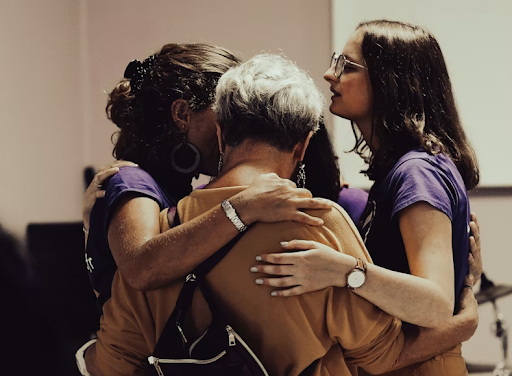
Why are safe spaces important for trauma survivors?
Trauma survivors do not have the chance to talk about their experiences, and many people do not believe survivors when they share their experiences about trauma. People say or do harmful things against trauma survivors to not acknowledge the trauma that the survivor went through or to help the person who caused harm, including:
Blaming the survivor for the trauma
Saying “that’s normal” or “it happens”
Shaming the survivor for not leaving the relationship quickly
Needing to see physical marks to believe the survivor
Using other factors (i.e. drugs, alcohol, stress) to justify harm
Survivors face a lot of social stigma for sharing their story, but other factors also include retaliation from the person who caused harm, feelings of guilt and shame, and no access to resources. Because of the amount of barriers against survivors, safe spaces can get rid of the barriers by offering survivors:
Connection with other survivors - because of how common isolation can be for survivors, having the space and time to talk with other survivors can reduce the loneliness, effectively creating a support network.
Ways to rebuild - depending on how many resources the safe space has, it can provide community resources, other safe spaces for different needs, and methods on taking control of their lives and building their future
A chance to heal - being in a supportive environment allows survivors a chance to process what they went through and begin their healing process
Being away from danger - considered a safety net, survivors are in areas where they do not have to be on edge due to outside threats and can feel safe in
What can you do to keep a safe space?
For everyone involved in a safe space, making sure that everyone is safe is important. Because we are all human and have different thoughts, opinions, and feelings on different topics, our approach to safety looks different from person-to-person. People can feel unsafe if their safe space does not fit their meaning of safety, and may leave their original safe space for another. To keep in mind how a safe space should look, consider the following:
Mutual agreement: everyone agrees that the space they are in together is safe and can discuss sensitive topics.
Conversation is key: people should have the chance to share their experiences fairly, but the space should be reassessed to ensure no power imbalances or areas where people feel unsafe.
(Some) conflict: for the space to grow and bond strongly, there are times when disagreements happen and are addressed as a group to make sure everyone continues to be safe. This is important in support groups, and we at &Rise do not agree with people talking about others behind their backs nor villainizing our facilitators and support group attendees, as this breaks trust and makes our safe space unsafe. If there is an issue, please talk to the facilitator.
Confidentiality: because of how vulnerable the topics are shared, everyone has to make sure they don’t bring topics they hear out to the public and put others in danger.
Find your safe space with &Rise
We understand both sides of safe spaces, whether that is hosting to make sure our spaces are safe while having the experience of being in safe and unsafe spaces. Because of our experience, we always reassess our spaces to make sure everyone involved continues to feel safe sharing vulnerable parts of their lives. Want to get support in a safe space? Join a support group for peer support or counseling for individualized support!
Subscribe to our weekly newsletter for more info about where we are promoting our safe spaces. Donate or volunteer with us to help us continue our work!
