
Celebrate You, Us, and All
By Gia Han Nguyen

From the &Rise team, we want to thank and celebrate every person who participated in our 2026 Comedy for a Cause fundraiser! It was a massive success, and we raised more money to help women and girls continue using our programs for free. As we were super happy to see everyone joyful at the fundraiser, we realized that it is also important for everyone to find ways to spread joy and happiness despite the current state of the world. Getting support isn't easy, but because all of you have taken such a huge step in finding support and giving yourself a chance to heal, that alone deserves to be celebrated. Finding ways to celebrate yourself is important in finding your inner strength and building long-lasting relationships. Celebrating looks different for each person, but they all mean the same thing: supporting each other.
What does it mean to celebrate?
Let’s dive deeper into what celebrating is. According to the Cambridge Dictionary, to celebrate is to “take part in special enjoyable activities to show that a particular occasion is important.” There are different types of celebrations, different people who celebrate, and different reasons a celebration occurs on a day or time. Holidays are prime examples of celebrations. Christmas is celebrated internationally to commemorate Jesus’s birth, but people use it as a way to give back and spend time with loved ones. Another international holiday is New Year’s Day, when people in their own countries celebrate the start of a new year on January 1st. However, New Year’s Day looks different depending on which calendar you follow, whether it is the Lunar calendar or the Inuit calendar in northeastern Canada! Celebrations don’t have to follow what a country or state wants to celebrate. Birthdays are celebrations that happen on a single day within each year.
You might say, “Okay, I know what celebrations are. Why are we re-explaining this?” To answer your lovely question: celebrations are a part of our lives, but they’re not as common as we think. Holidays are meant to serve a specific purpose, and they can be separated by long timeframes. Christmas, for example, is meant to celebrate Jesus’s birth, and New Year’s Day, which is to celebrate the first day of the year. Birthdays come once a year, and birthdays can be harder to celebrate if you have friends who don’t celebrate. Instead of waiting for specific days agreed upon to celebrate, why can’t we celebrate ourselves and our communities now?
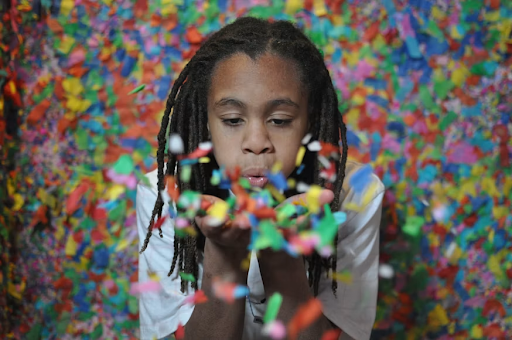
What are YOU celebrating?
There are so many accomplishments you achieved in your life. Even if I don’t know you personally, I’m sure you did a lot to help yourself. Celebrations can look different for everyone, and it does not have to fit into a specific time or day. Here are a few ideas how you can celebrate yourself:
What days have impacted your life positively that you want to remember?
When you first joined a support group
Work anniversaries
When you first got your plant or pet
A day you faced your fear
A day you got help by yourself
On which day of the week can you celebrate yourself?
Note: You can celebrate yourself repeatedly, and you don’t have to wait until the weekend to start. Celebrating yourself during the week keeps you energized and happy, helping you finish the week off well!
Wednesdays after work - celebrate finishing three workdays
Thursdays before work - celebrate waking up early
Tuesdays during lunch - celebrate that you worked hard until lunch
What is your community celebrating?
“Community” can be anything! Whether that includes the &Rise community or your neighborhood, there will be celebrations you can find and join. If you’re feeling brave, you can host a celebration with community members. Below are a few examples of community celebrations that you can explore:
What is &Rise hosting? Check out our events!
What block parties are being held?
What festivals can you go to for free?
What social gatherings are there?
What fairs are related to what you like or want to explore?
When we think of community, we think of large gatherings of people we talk to in-person. However, that has changed! We adapted to a lot of technology use during the pandemic and now host many online events to learn more or meet people from all around the world:
What meetings can you join to talk about your interests?
What is &Rise hosting online? Check out our events or virtual support groups!
What educational webinars are there for you to learn?
What celebrations are held online?
What social hours are available online?
What is everyone celebrating?
“Everyone” is also a vague term, and it can range from people in your neighborhood, those in your country, or everyone around the world! Similarly, celebrations are held online or in person; it depends on what you prefer:
What holiday celebrations are there that people don’t know about?
What cultural holidays can you join as a guest?
What holidays are you excited about? How can you get started?
What specific days does your country celebrate?
What celebrations are happening online internationally?
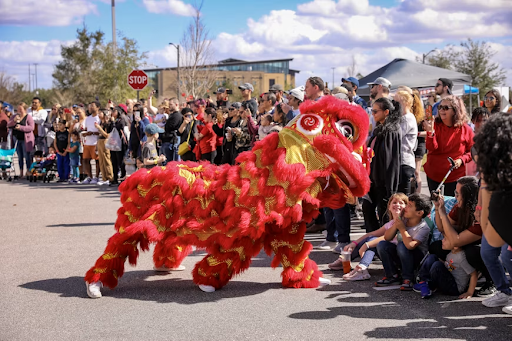
Celebrate with &Rise
Even though celebrating looks like self-care, celebrating includes the journey to get to the celebration. Whether this effort is for yourself or friends, it is important the celebration honors both the journey and the purpose of the celebration. It is easy to get sucked down towards a spiral of hatred about yourself and the world, which is why it becomes more necessary to find the small things to celebrate yourself and spread joy.
At &Rise, we strive to help you celebrate hope and joy through mental health and community. Join our counseling program or support groups to address your pains and how you can find joy again! Want to celebrate with us while giving back? Consider volunteering or be a monthly or one-time donor. Subscribe to our newsletter for weekly doses of empowerment, and find your celebration with us by joining our events.
